
The following learning resources are identified for use by Elementary (K-5) teachers and students. In some cases, age-appropriate sections have been selected and linked within larger multi-grade resources.
First Light Film & Learning Resources on Boarding Schools:
Listening Circles Activity:
Listening Circles are perhaps the oldest form of social technology known to humankind and their purpose varies according to the situation and the needs of those who call together the Circle. There can be Circles for listening, talking, community building, peacemaking, restoring damaged relationships, and healing, among others.
Dawnland Film and Teacher’s Guide: Lesson 1

About the Dawnland film: For decades, child welfare authorities have been removing Native American children from their homes to “save them from being Indian.” In Maine, the first official Truth and Reconciliation Commission in the United States begins a historic investigation. Dawnland goes behind-the-scenes as this historic body grapples with difficult truths, redefines reconciliation, and charts a new course for state and tribal relations.
Lesson 1: The Peopling of Turtle Island
The Dawnland Teachers Guide contains a rich set of learning resources related to the film "Dawnland”.
Lesson 1: The Peopling of Turtle Island (begins on Page 26)
In this lesson students will learn about Indigenous peoples on Turtle Island and their creation stories. Turtle Island, later known as North and South America, was populated as the result of numerous and varied human migrations, and not solely by those crossing the Bering Strait.
Bounty Film and Teacher’s Guide: Lesson 1

In Upstander Project’s film Bounty, Penobscot parents and children resist erasure and commemorate survival by reading and reacting to one of the dozens of government-issued bounty proclamations that motivated colonial settlers to hunt, scalp, and murder Indigenous people.
Bounty Teacher’s Guide Lesson 1:
The Bounty Teacher’s Guide was written to help educators, students, and the general public deepen their understanding of the issues raised in the documentary film Bounty
Lesson 1: Raphael Lemkin and the Crime That Needs a Name
This lesson introduces readers to the life of Raphael Lemkin and the impact of the massacre of Armenians on Lemkin’s thinking and his journey to coin the word genocide. It also traces his tireless effort to make genocide an international crime at the newly founded United Nations.
Reciprocity Project Season One Films and Learning Guides

Facing a climate crisis, Reciprocity Project embraces Indigenous value systems created in kinship with Earth. This short film series and multimedia platform, made in partnership with Indigenous storytellers and their communities worldwide, invites learning from time honored and current Indigenous ways of being. Each project is created by media makers and their communities within their home territories.
Diiyeghan naii Taii Tr’eedaa (We Will Walk the Trail of our Ancestors)
A grandfather teaches his granddaughter, a young Gwich'in mother named Alisha, how reciprocity is embedded in all aspects of life. The northern lights warm the caribou; the caribou helps feed and sustain the community; the community honors the connections. Each element in nature is purposeful and related. In turn, these connections bring new meaning to Alisha and her wishes for her children and for all living beings.
ᎤᏕᏲᏅ (What They’ve Been Taught)
Filmed on the Qualla Boundary and Cherokee Nation, ᎤᏕᏲᏅ (What They’ve Been Taught) - pronounced "oo-day-yoh-nuh" - explores expressions of reciprocity within Cherokee communities, brought to life through a story told by an elder and first language speaker. ᎤᏕᏲᏅ is a reflection on tradition, language, land, and a commitment to maintaining balance. This film was created in collaboration with independent artists from both Cherokee Nation and the Eastern Band of Cherokee Indians.
Sukujula Tei (Stories of My Mother)
During a visit to her sister Amaliata, Rosa, a wise Wayuu woman, teaches her grandchildren the importance of reciprocity within their culture.
Dear Georgina Film and Viewer Guide
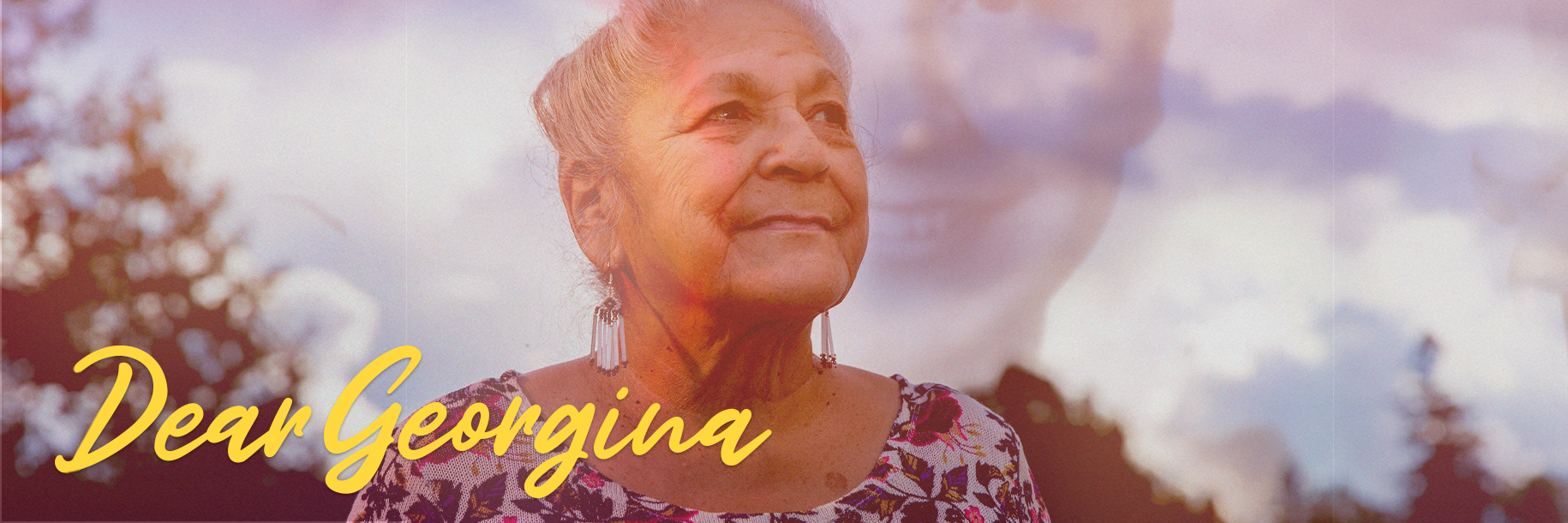
At age two Georgina Sappier-Richardson was removed from her home and Passamaquoddy community in Downeast Maine by child protection services. She would never see her parents again. Terror and abuse followed over 16 years in four different foster homes. Dear Georgina follows this Passamaquoddy elder from Motahkomikuk as she tries to fill in the blurry outlines of her identity.
The Dear Georgina Viewer’s Guide helps teachers understand how historical and intergenerational trauma influence the emotional lives of children and young people. It also links Georgina's story to the more recent separation of children from their families at international borders.
Pennsylvania Scalp Law lesson and activity
This set of documentary sources and lessons focuses on scalp bounty raids, laws and rewards offered to colonial combatants by Pennsylvania Colony during the Revolutionary War. Throughout the war, bounties for killing, scalping, and capturing Indigenous soldiers and civilians were offered by both Continental and British government and military officials.
After the Pilgrims..A Closer Look at Revolutionary Era
After the Pilgrims Lesson plan (google doc)
Lesson Plan for 3rd Grade: A Closer Look at Revolutionary Era: More study in perspectives
Please use discretion and review content warnings when using these resources in the classroom.
Contact us for additional classroom resources, further guidance and opportunities to bring Upstander Project workshops to your school.