Search Learning Hub resources
High School Learning Resources
We have selected the following sets of Upstander resources for use by High School teachers and students. Resources include StoryMaps, Timelines, Films, Film Guides, Lessons, Resource Sets and more. Please use discretion and review content warnings when using these in the classroom.
Guidance for using Listening Circles - perhaps the oldest form of social technology known to humankind. Their purpose can vary according to the situation and the needs of those who call together the Circle.
Broadside Massachusetts. Lieutenant Governor (1732-1757: Phips): By His Honour Spencer Phips, Esq;... A Proclamation. Whereas the Tribe of Penobscot Indians ..
The Coexist Teacher's Guide’s synopsis, historical overview, timeline, and extensive resources help educators examine Rwandan history, forced reconciliation, personal healing, forgiveness, betrayal, genuine reconciliation, and other important topics.
First Light learning resources connect educators to sources, questions, and activities to deepen understanding of the brutal history of settler colonialism, its impact on Native peoples, and the healing that can accompany a truth and reconciliation commission.
The compelling question at the center of the Dawnland Teacher’s Guide — What is the relationship between the taking of the land and the taking of the children? — frames study across 12 lessons and will help students collect, analyze, and organize evidence to support an argument that answers the question.
The Dear Georgina Viewer’s Guide helps teachers understand how historical and intergenerational trauma influence the emotional lives of children and young people. It also links Georgina's story to the more recent separation of children from their families at international borders.
The Bounty Teacher’s Guide and accompanying interactive resources deepen understanding of the issues raised in Bounty through the compelling question at the center of the guide — What is the relationship between the taking of the land and the taking of the scalps?
Reciprocity Project discussion guides offer a variety of education and community resources to complement the films. Use them before or after viewing.
How the Freedom Trail Paved Over Indigenous History:
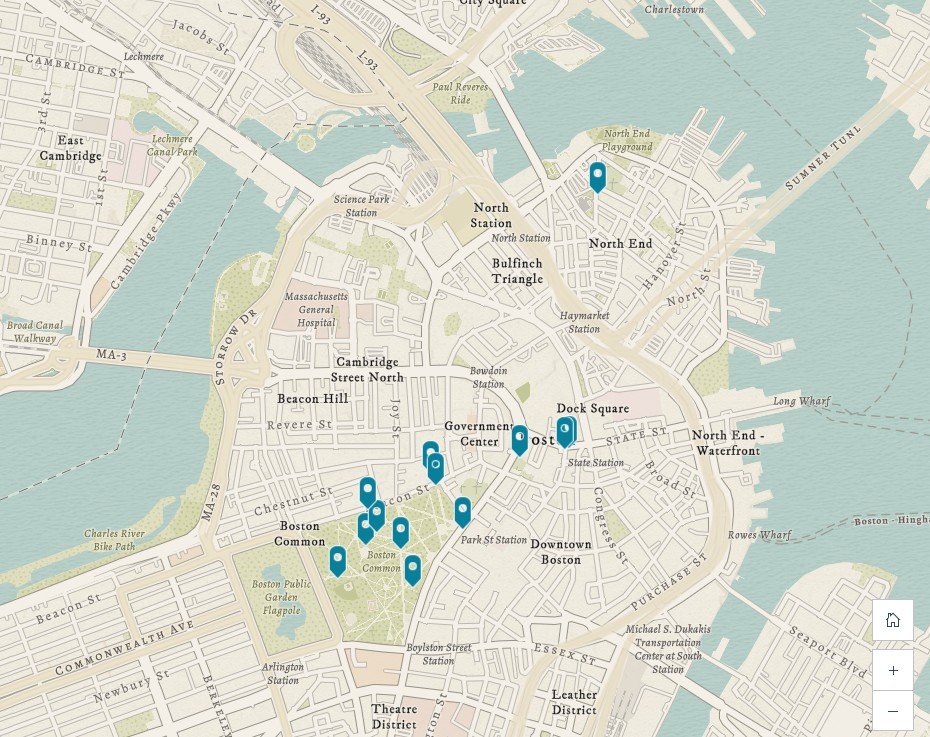
This Storymap provides a hidden historical narrative of Native spaces in greater Shawmut, before it became known as Boston.
This StoryMap supports a place-based historical recovery initiative and mapping, which revisits James Cargill's murderous bounty rampage against Penobscot people in July 1755.
1780 Pennsylvania Bounty Proclamation, Joseph Reed: This set of documentary sources and lessons focuses on scalp bounty raids, laws and rewards offered to colonial combatants by Pennsylvania Colony during the Revolutionary War.
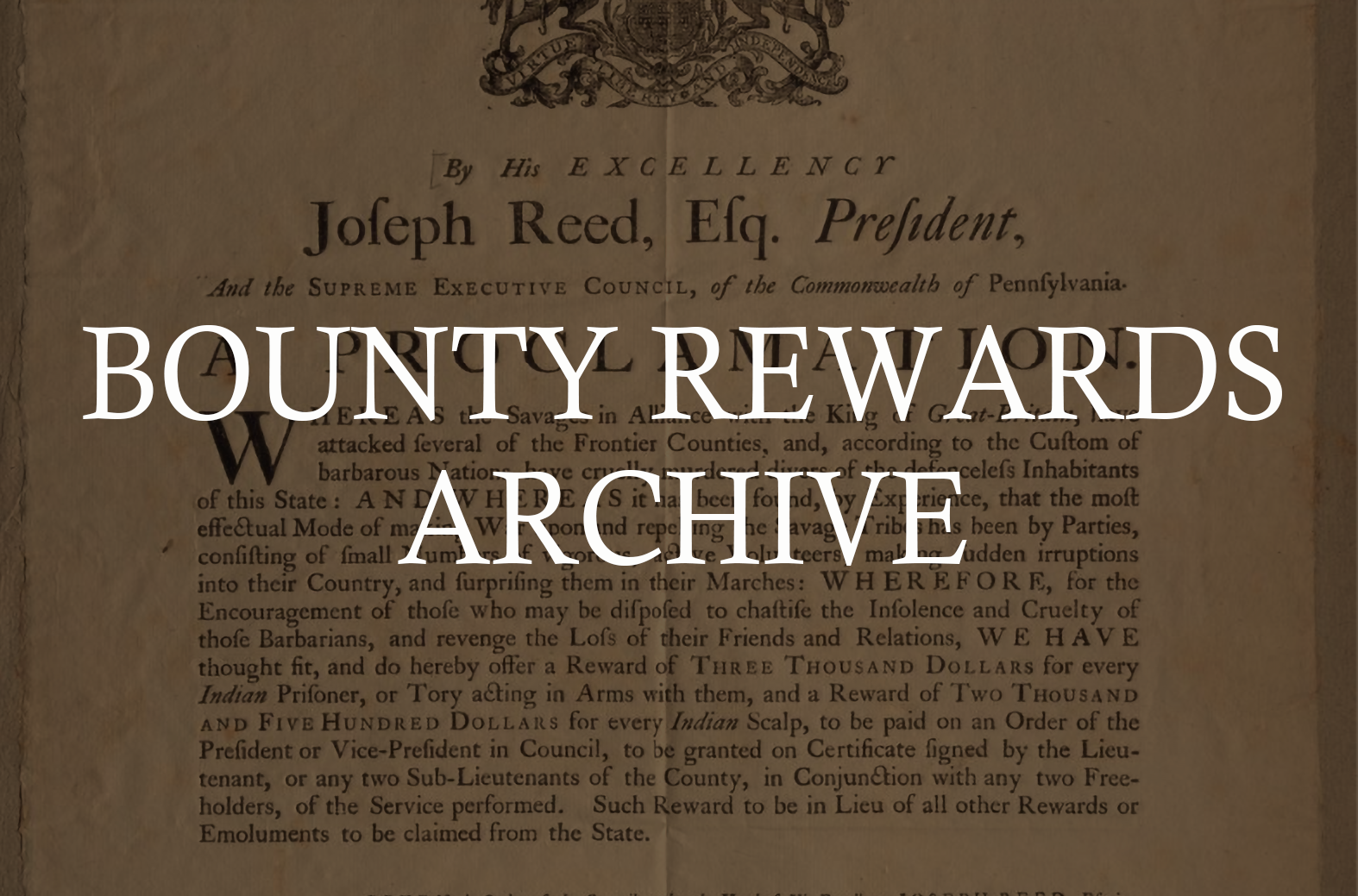
Upstander Project created the bounty rewards archive as a public learning and teaching resource to accompany the Bounty film project. The database includes 2,438 entries and represents several years of extensive archival and documentary research into scalp bounty acts and claims made by colonial governments and settlers in the northeastern Dawnland (later called New England), between 1675-1765.
This timeline covers the period between 1675-1765, spanning what are often known as the Six Anglo-Abenaki Wars. These conflicts (with the exception of the first, which we refer to as Pometacomet’s Resistance/King Philip’s War) were largely fought between colonial English and French forces for control of what is today northern New England and Eastern Canada.
This virtual walking tour and map focuses on Native Spaces in Massachusett homelands, in what became the colonized place the English called Newtowne, later Cambridge. While many of the locations may be familiar landmarks, this walking tour provides a hidden historical narrative which tells a story of Massachusett survivance and settler colonialism.